The final number was 11.25 kilometres, which is a very precise way of describing a day that had not gone entirely to plan.
I had intended to walk the whole of Stage Five of the Lantau Trail. Somewhere along the way, I failed to read a turning properly and continued with the confidence peculiar to somebody who has not yet realised he is going the wrong way. This was annoying. Routes have numbers, maps have lines, and I had set out to complete a particular thing.
The mountain appeared less concerned.
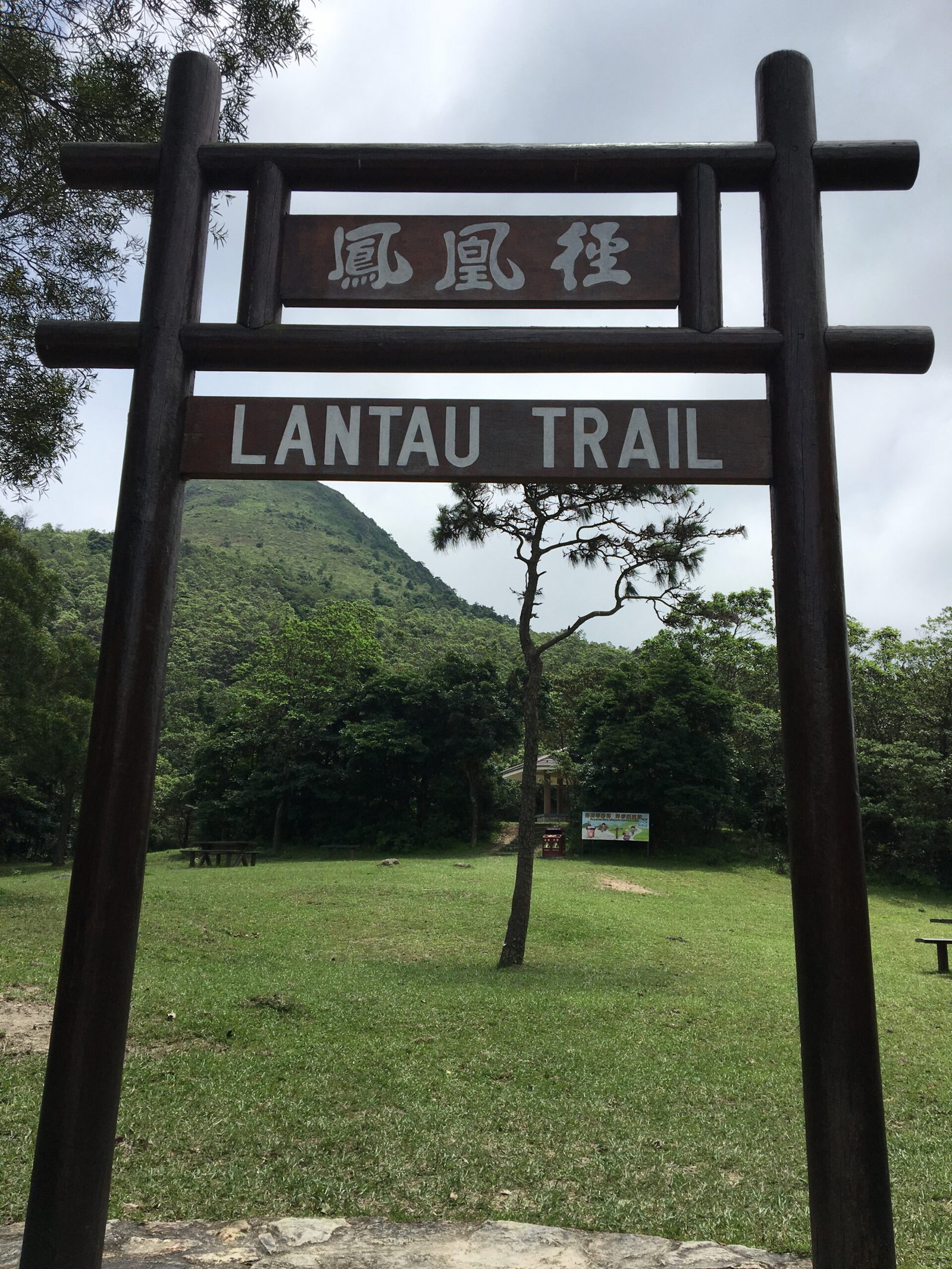
Lantau South Country Park, 14 May 2016.
Lantau had already been part of my Hong Kong life for years, although “part of” can mean several things. It was the island beneath the airport, the green mass seen from a road, the place beyond the city where beaches, villages, monasteries, peaks, and water buffalo appeared to have reached an arrangement without consulting Central. I knew it. I had visited it. I had not always looked at it properly.
Walking changes the terms.
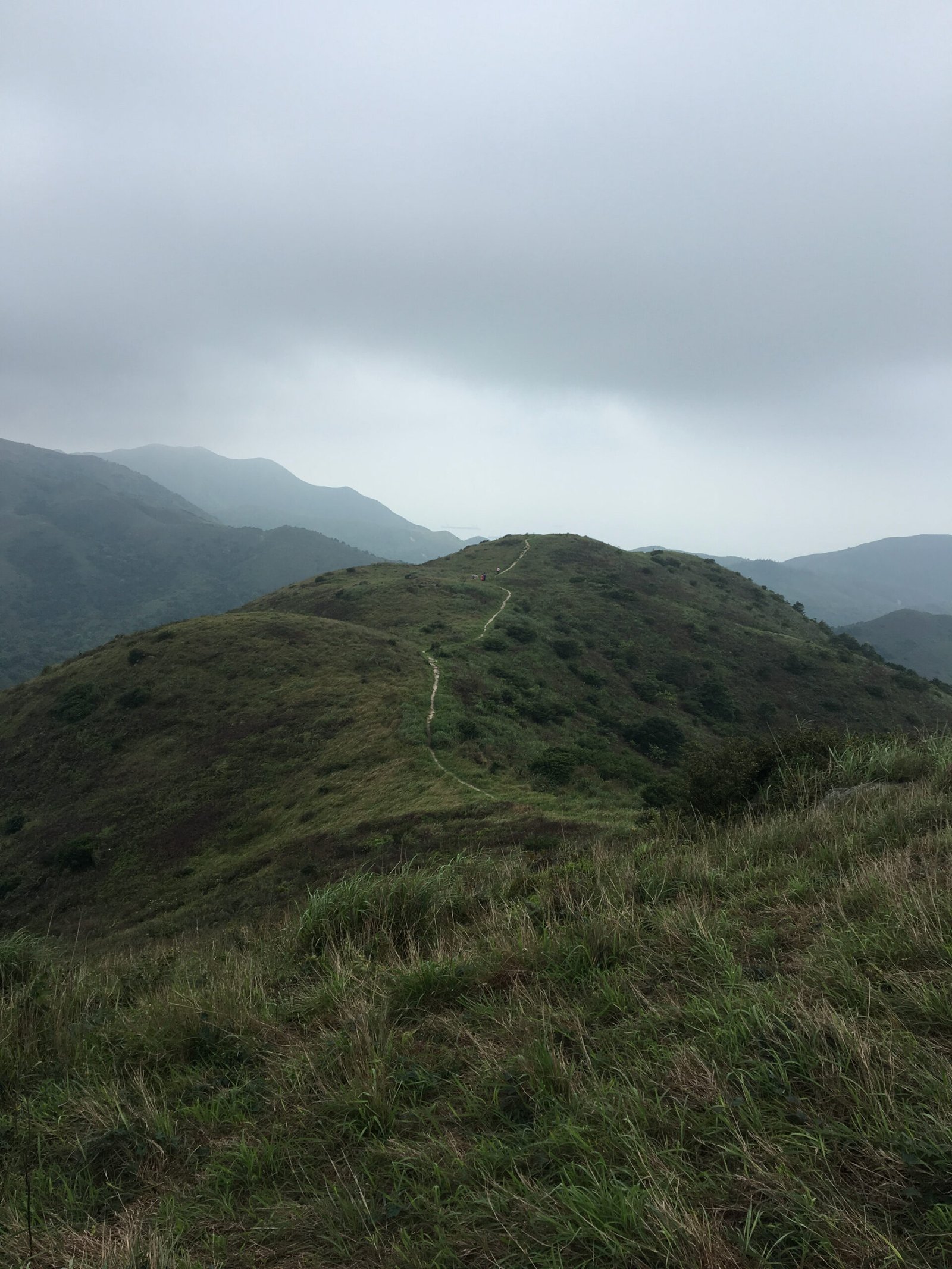
Lantau South Country Park, 14 May 2016.
The route rose, fell, and rose again. It was not brutally difficult, but it was insistent enough to remove the possibility of pretending I was doing anything else. A trail gives the body a limited set of immediate concerns: the next step, the incline, the loose ground, the amount of water remaining, and whether that sound in the undergrowth deserves investigation.
Usually it does not.
At the higher points, the island opened. Ridges folded into one another, the sea held the edges, and the built city became difficult to believe in. Hong Kong does this rather well. It allows millions of people to construct an argument about density, speed, property, finance, and progress, then places a mountain behind the last tower as a quiet rebuttal.
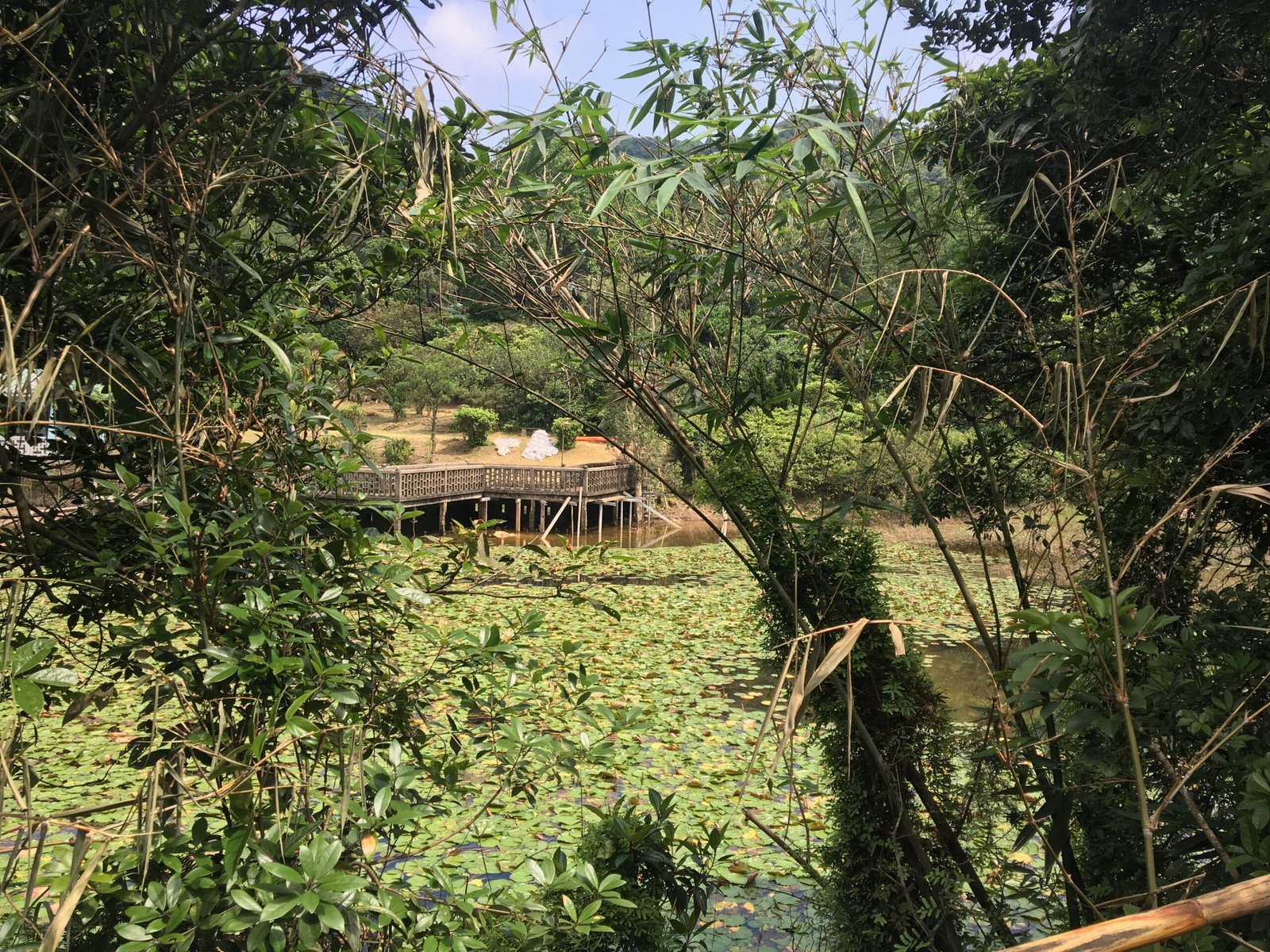
The most arresting view was not the widest one. The path cut through into a valley on the far side, and there, away from the large gestures of peaks and coastline, stood a house in considerable decline. It was the sort of place that immediately invited an alternative life. Not a sensible alternative life, obviously. The roof, walls, access, electricity, water, structural integrity, and likely enthusiasm of the relevant authorities would all have required discussion. But sense is rarely the first thing to arrive when you find an abandoned house beside water lilies.
The frogs were already in residence.
Their noise sat over the water and around the ruined building, less a chorus than an occupation. The lilies covered parts of the surface, the valley held the sound, and the house looked as though it had been left alone long enough to belong to the landscape again. I wanted to walk through it. I wanted to see what remained inside, who had once used the rooms, and what sequence of events had allowed tranquillity to become dilapidation.
I did not go in. Curiosity is not the same thing as permission, and ruins are often better at sustaining a story from the outside.
For a moment, though, the route ceased to matter. The missed turning, the unfinished stage, and the tidy satisfaction of completing the line I had selected on a map all became less important than standing still beside a place I had not known was there.
This is one of the useful corrections travel can make, even when the travel happens close to home. We become very good at moving towards what we have already decided is worth seeing. A summit. A temple. A famous view. A village at the end of a route. We measure the day against arrival, then become irritated when the path intervenes.
The path is the day.
The descent towards Tai O was slower. My legs had begun to register the repeated rises and falls, and the ground required more attention. Tai O waited below with its water, houses, boats, lanes, and the prospect of transport home. There is a particular comfort in descending towards somewhere inhabited after hours on a trail. Human noise returns in fragments. A roof appears. Then a road. Then the first sign that somebody might sell you a drink.
By the time I reached the village, I had not completed the walk I intended. The missing section remained missing. The map would not award partial credit for stopping at views, listening to frogs, or imagining the renovation of a house that was not mine.
But I had spent a day properly inside Lantau: climbing through its folds, looking into its valleys, and allowing the island to interrupt whatever had seemed important before I left the house.
The route was incomplete.
The journey had done enough.