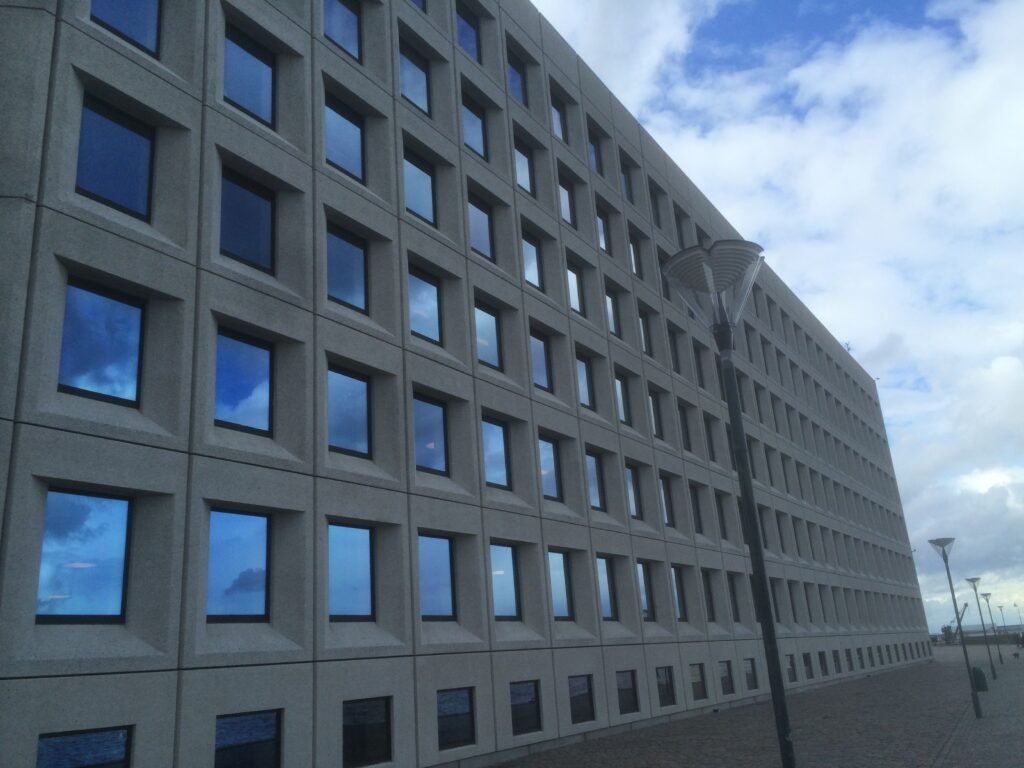
My first thoughts about Copenhagen contain only four words of actual opinion: “awesome architecture and offices.” It is not especially lyrical, but it is accurate.
The city seemed to have been designed by people who expected everything to be used, looked at, and left in a slightly better condition than they found it. Brick warehouses had become restaurants and galleries without losing the evidence that they had once done something heavier. New buildings sat beside old ones without appearing to have arrived simply to make a point. Even the bicycles looked organised.
Coming from cities where development could feel like an argument conducted with concrete, Copenhagen was almost suspiciously resolved. Water, streets, public space, and buildings appeared to understand that they were part of the same place. Nothing was shouting, yet everything had an opinion.
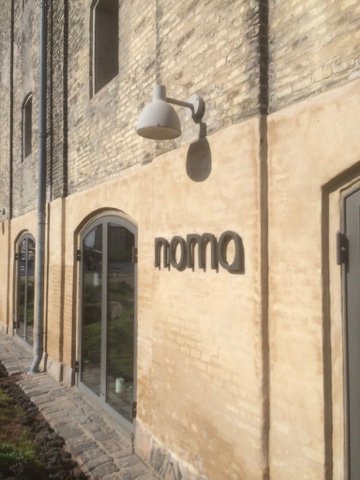
Noma occupied one of those old waterside buildings, modest enough from the outside to make its reputation feel faintly implausible. Its name sat quietly beside the entrance, fixed to a plain brick warehouse that gave very little away about what waited inside.
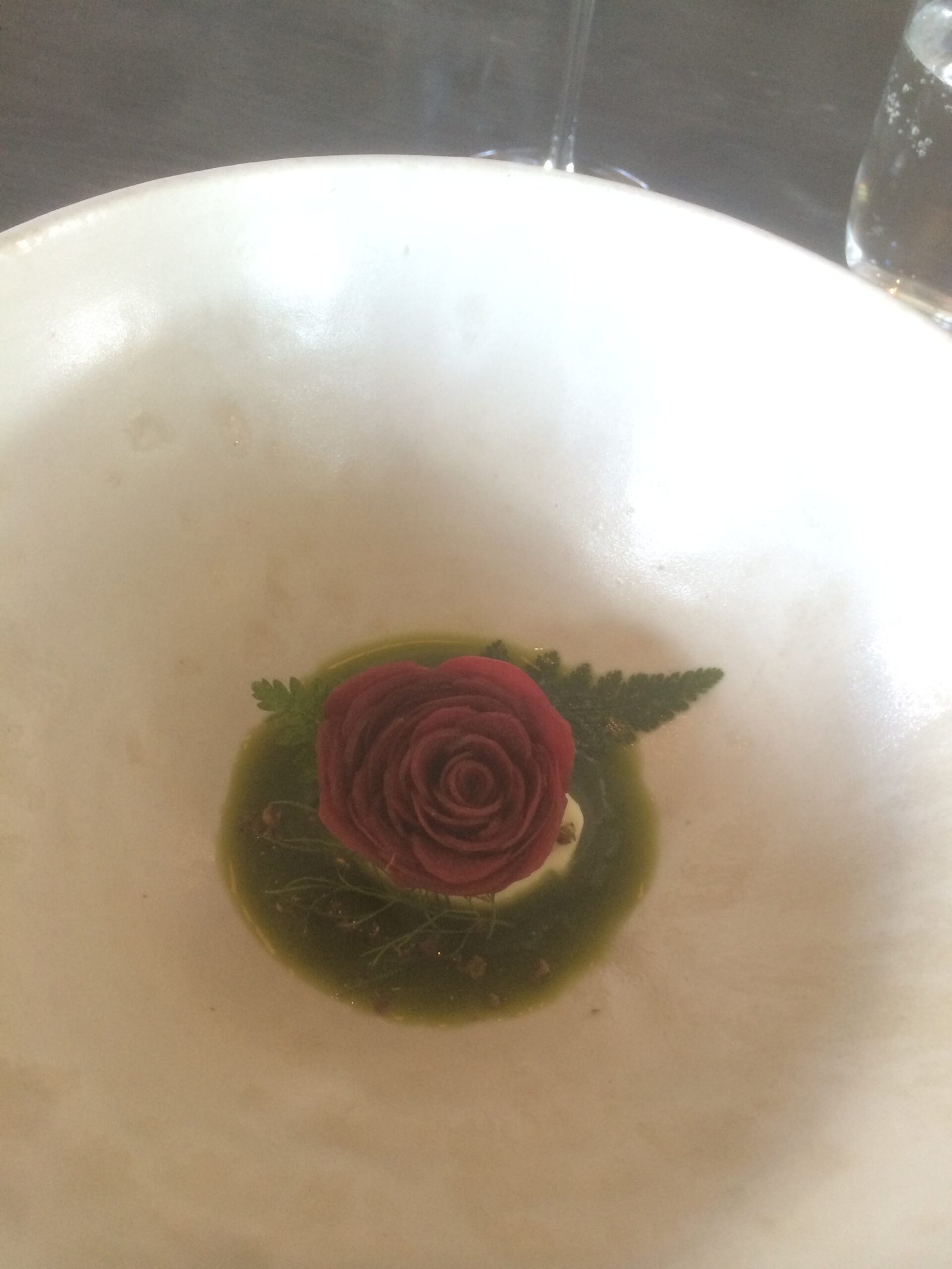
Inside, the food was exact without becoming solemn, familiar ingredients returning as things I could not have imagined, much less assembled. Even the seasoning had wandered in from the forest: ants brought a sharp, salty edge to one course, which was not a sentence I had expected either to write or enjoy. The gazpacho arrived in a bowl made of ice. It was beautiful, cold, and clearly temporary, so I asked whether I could take it home. I was told it would melt. I suggested they just pop it in a jiffy bag. Apparently this did not solve the problem.
That was Copenhagen’s trick. It could carry considerable cultural weight without needing to dress for the occasion.
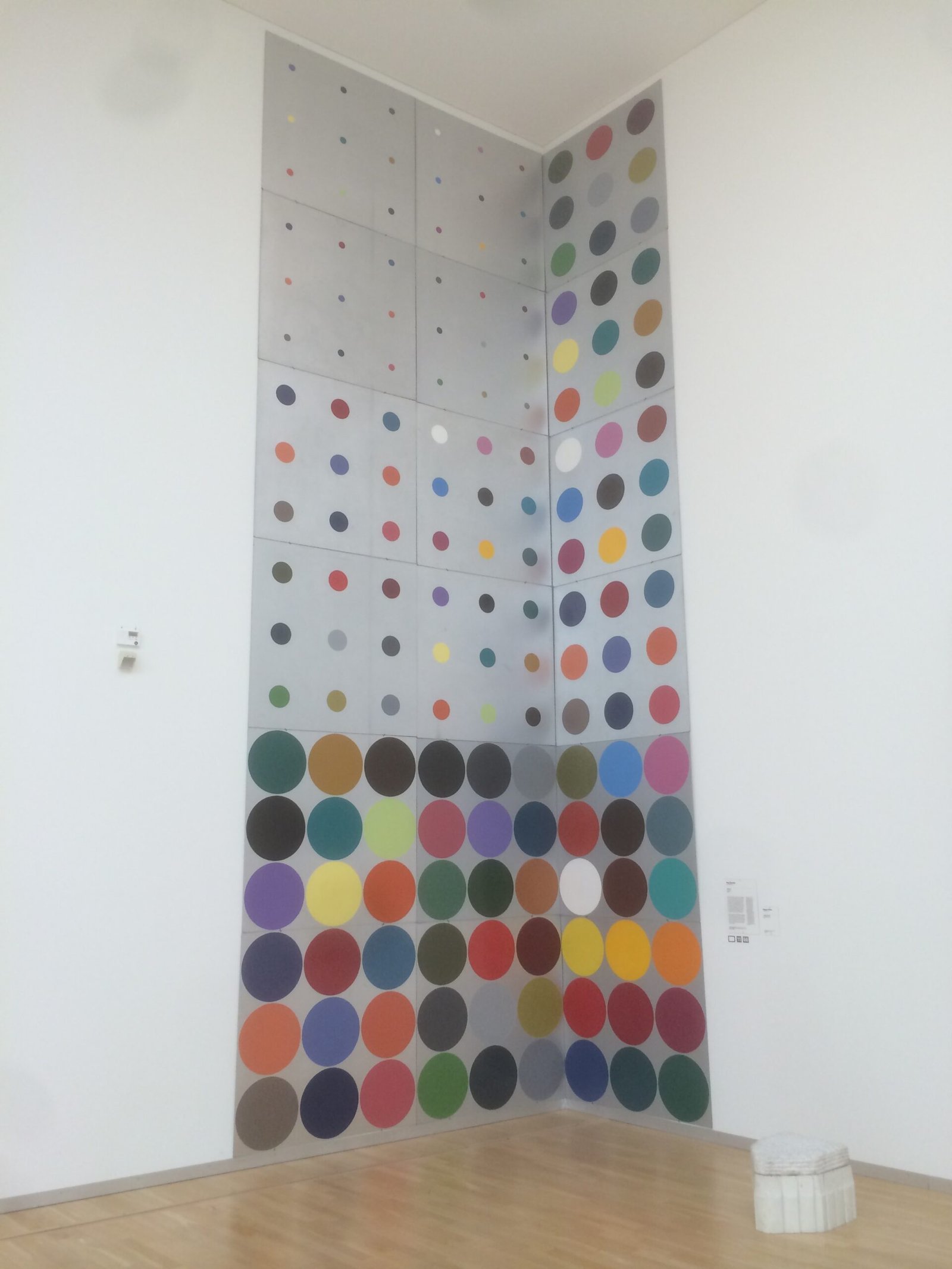
The same was true inside the galleries. At SMK, colour escaped the polite white walls in circles, strips, loops, and shapes that seemed to be testing how far an idea could travel before it needed to become an object. Some pieces invited interpretation. Others appeared to have made their decision and were content to let me catch up.
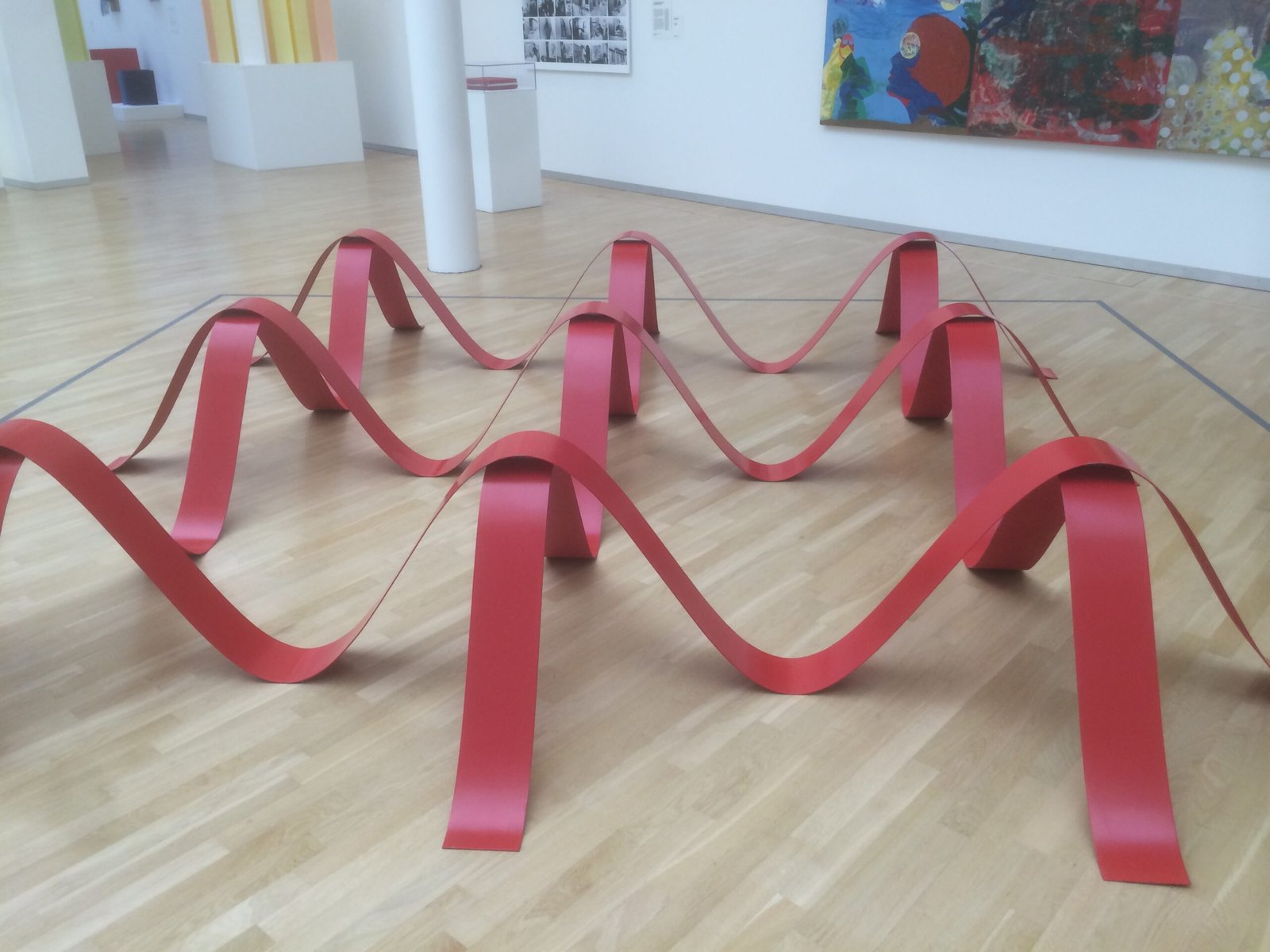
I have always liked art that changes the room around it. A painting can ask you to approach; sculpture makes you negotiate. You alter course, move closer, step back, and discover that the work has reorganised both the space and your attention. Copenhagen seemed built on much the same principle. It did not demand wonder. It arranged the conditions, then allowed you to notice.
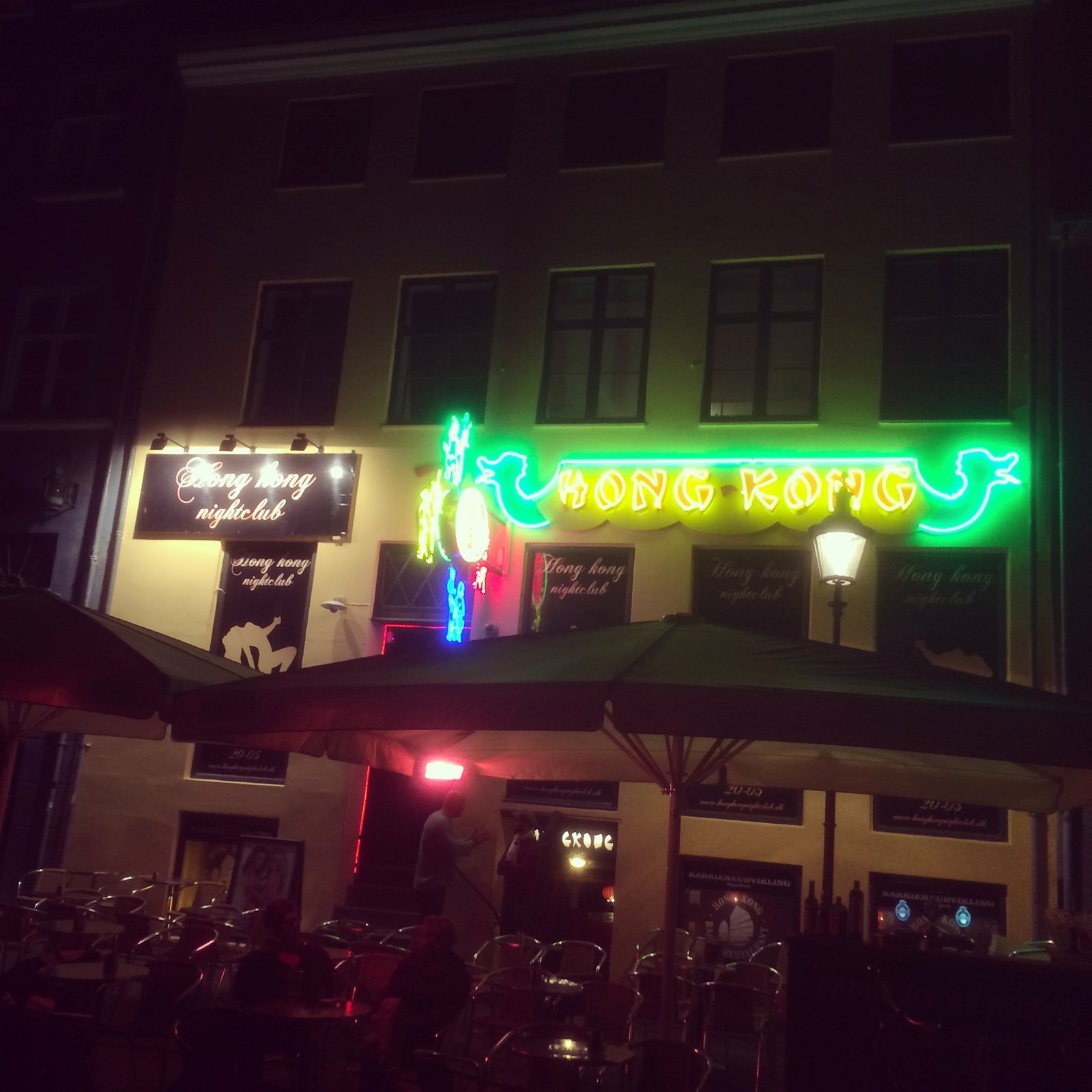
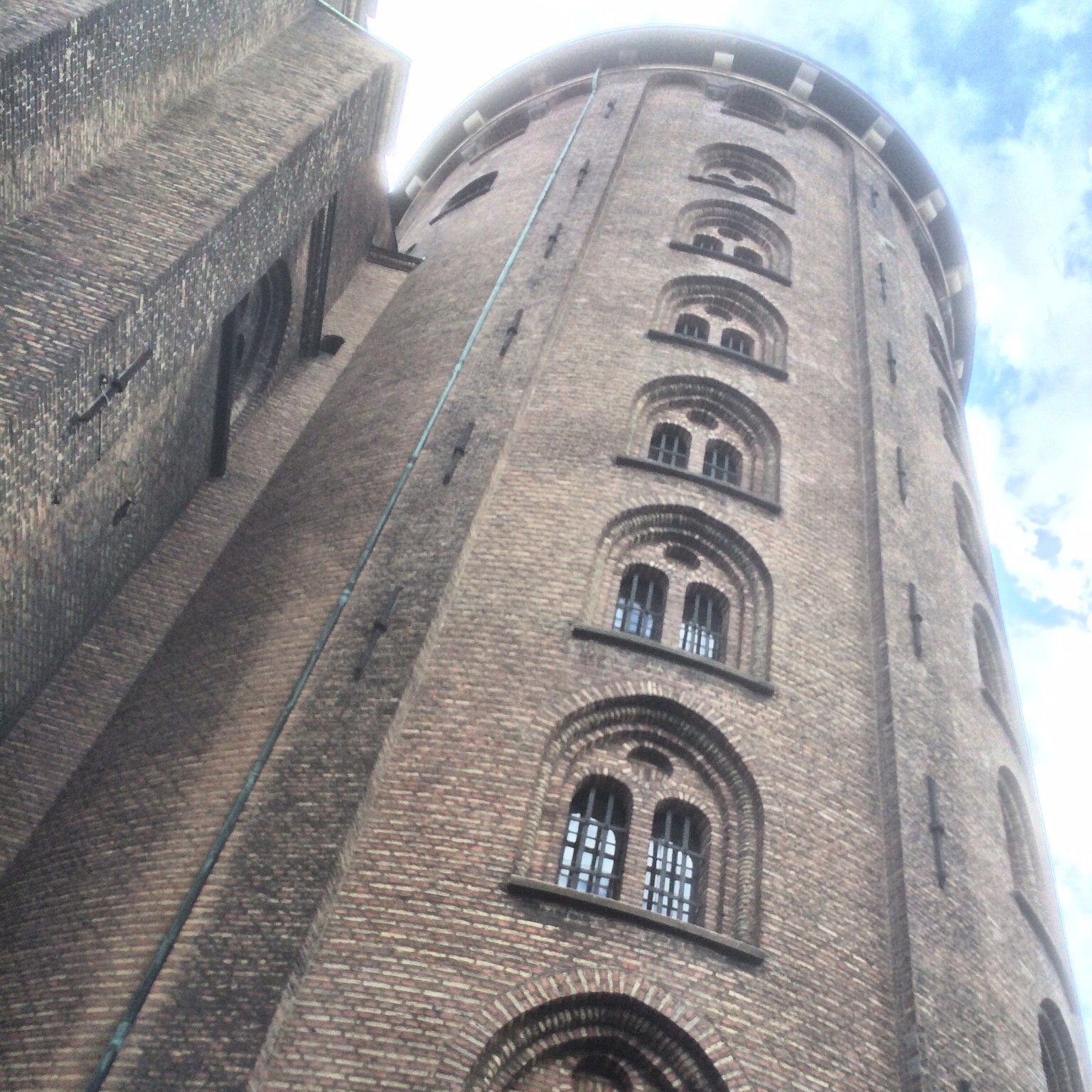
The harbour supplied the familiar Copenhagen scene: coloured buildings, masts cutting into the sky, tables facing the water, and light that made even a crowded pavement feel composed. Elsewhere, brick towers rose above the streets with the confidence of structures that had survived several competing ideas of modernity. At night, I found a Hong Kong nightclub rendered in neon, because the universe enjoys leaving footnotes in unexpected cities.
The journey then moved south to Aabenraa, and its purpose changed.
Copenhagen had been a city to explore. Aabenraa was somewhere to arrive for someone.
Nicole and I had accumulated the sort of friendship that resists a clean summary. It crossed bars, pools, travel, jokes about my arms, and the periods when one of us moved into, out of, or some considerable distance from the other’s life. The speech I drafted for her wedding tried to contain all of this and succeeded mainly in proving that affection is rarely improved by rhyme.
Buried among the abandoned couplets was the thought I was actually trying to express: we tend to describe our lives as places we have been, but they are also the people who have seen us become ourselves. They shape us in ways we rarely recognise at the time, then appear years later in the stories we tell about who we were.
That was why we were in Aabenraa.
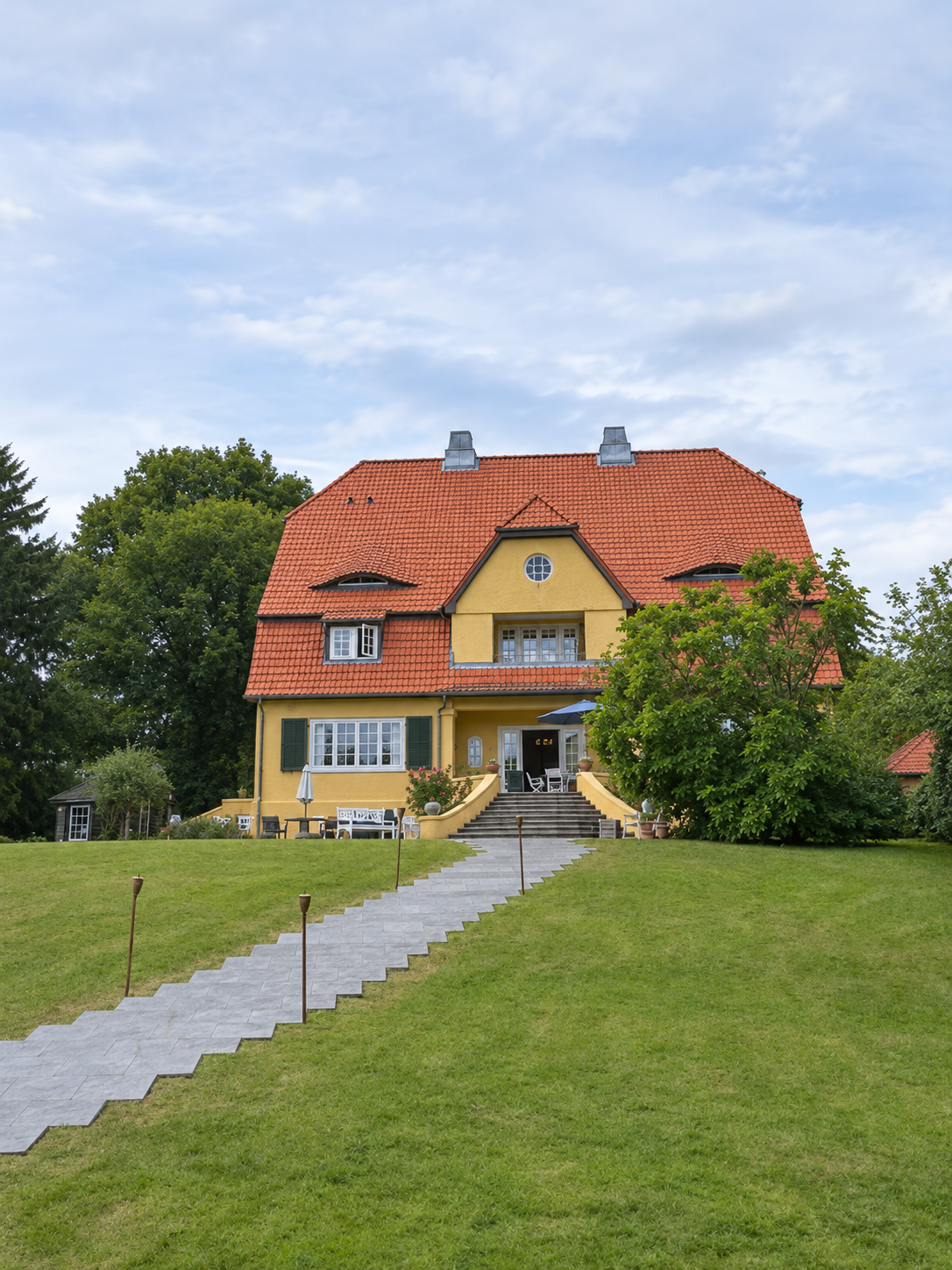
The wedding took place in generous August sunlight, against deep green trees and a yellow house that looked as though someone had increased the saturation for the photos. There were glasses raised, old stories cautiously edited for a mixed audience, and friends gathered from the different lives that had led Nicole and Hans to the same lawn.
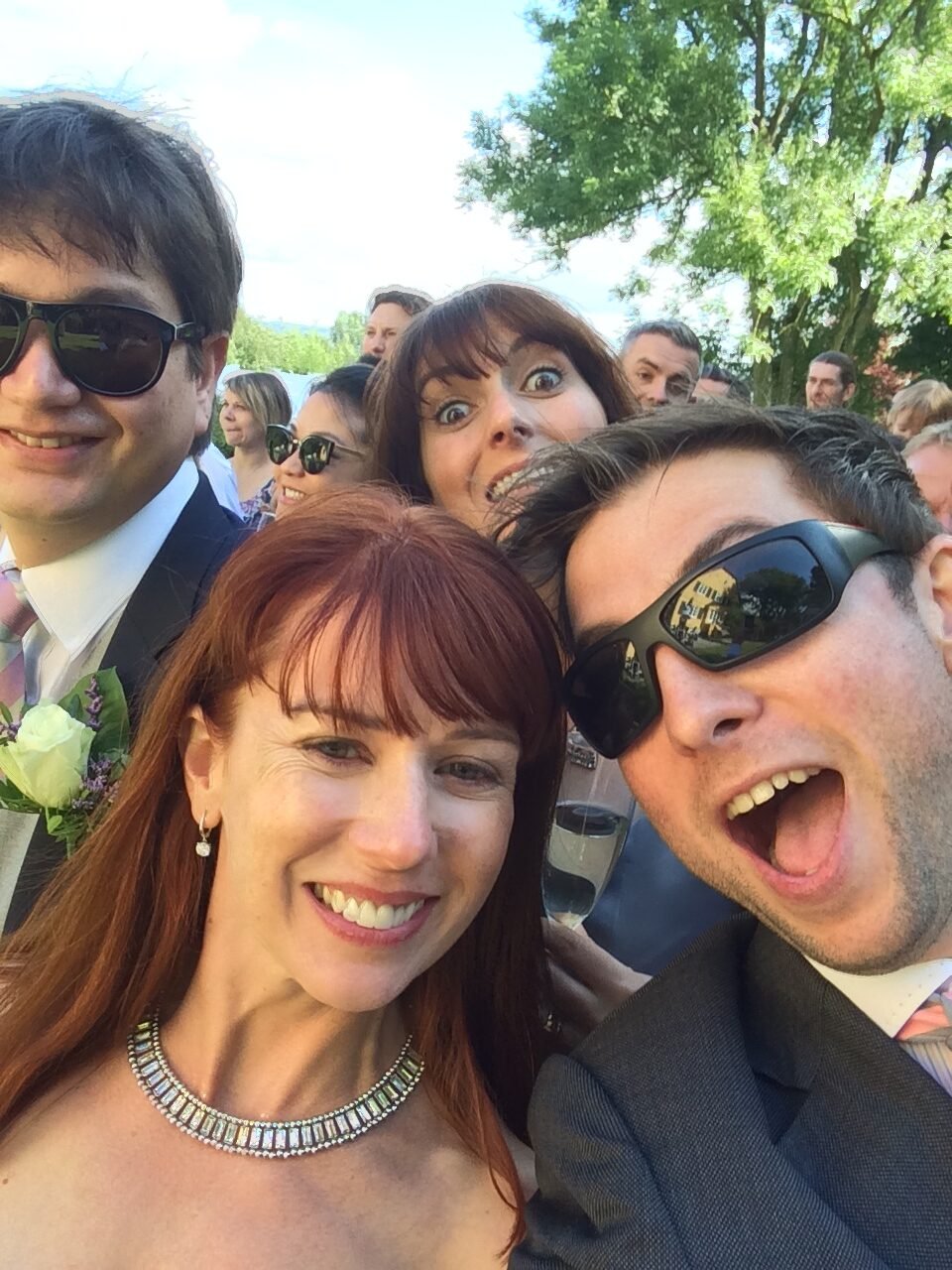
Weddings compress time strangely. You meet people who know entirely different versions of the same person, and for a day all those versions occupy one place. School, work, travel, family, and whatever happened after midnight are seated within speaking distance of one another. The result is less a complete portrait than a room full of competing evidence.
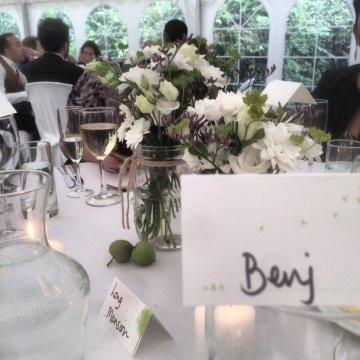
The tables made that history visible. Each was named after a place important to the couple, a geography of the relationship laid out beneath the marquee. I found my name at Long Mansion, the place where Nic and I had lived together for many years. A small card on a table in Denmark carried an entire Hong Kong home inside it: shared rooms, accumulated stories, and the friendship that had eventually brought us to that lawn.
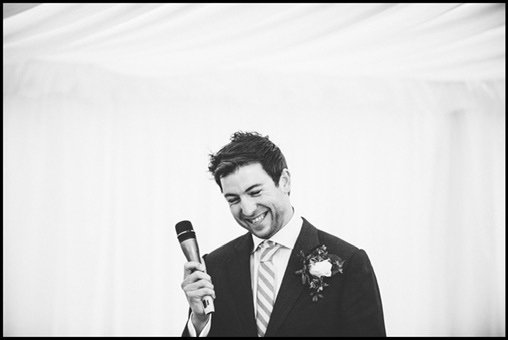
My speech notes included “guns (my arms — her first comment to me on meeting),” hiking, drinking, and a line about friendship owning a piece of each of us. Some of it made the final version. Much of it was wisely left on the page. What survived was the part that mattered: the knowledge that this was not a ceremonial appearance in somebody else’s photo. It was the continuation of a shared history, now opening to include another person, another family, and a future none of us could yet describe.
There are trips built around escape, and others built around discovery. This one contained both, but neither was the reason for it. We had travelled because a friend had asked us to stand nearby while her life changed shape.
We returned to Copenhagen carrying Aabenraa with us: the speeches, the place names on the tables, the warmth of the lawn, and the pleasantly untidy accumulation of memories that follows a weekend built around people. The city had already given us architecture, water, art, and an ice bowl that would not survive a jiffy bag. Coming back allowed us to add to it. There was still more Copenhagen to see, but now we were seeing it after the wedding, with the celebration folded into the journey rather than sitting apart from it.
So we went back into the city. More streets, more harbour, and one machine capable of removing whatever dignity the weekend had left us.
There is no elegant way to mount a Segway, particularly while dressed in a profoundly stupid overcoat. The machine asks you to stand upright, trust a set of invisible calculations, and pretend the resulting posture represents progress. Lean forward and it moves. Lean back and it stops. Panic, and it detects this through means not covered in the safety briefing.
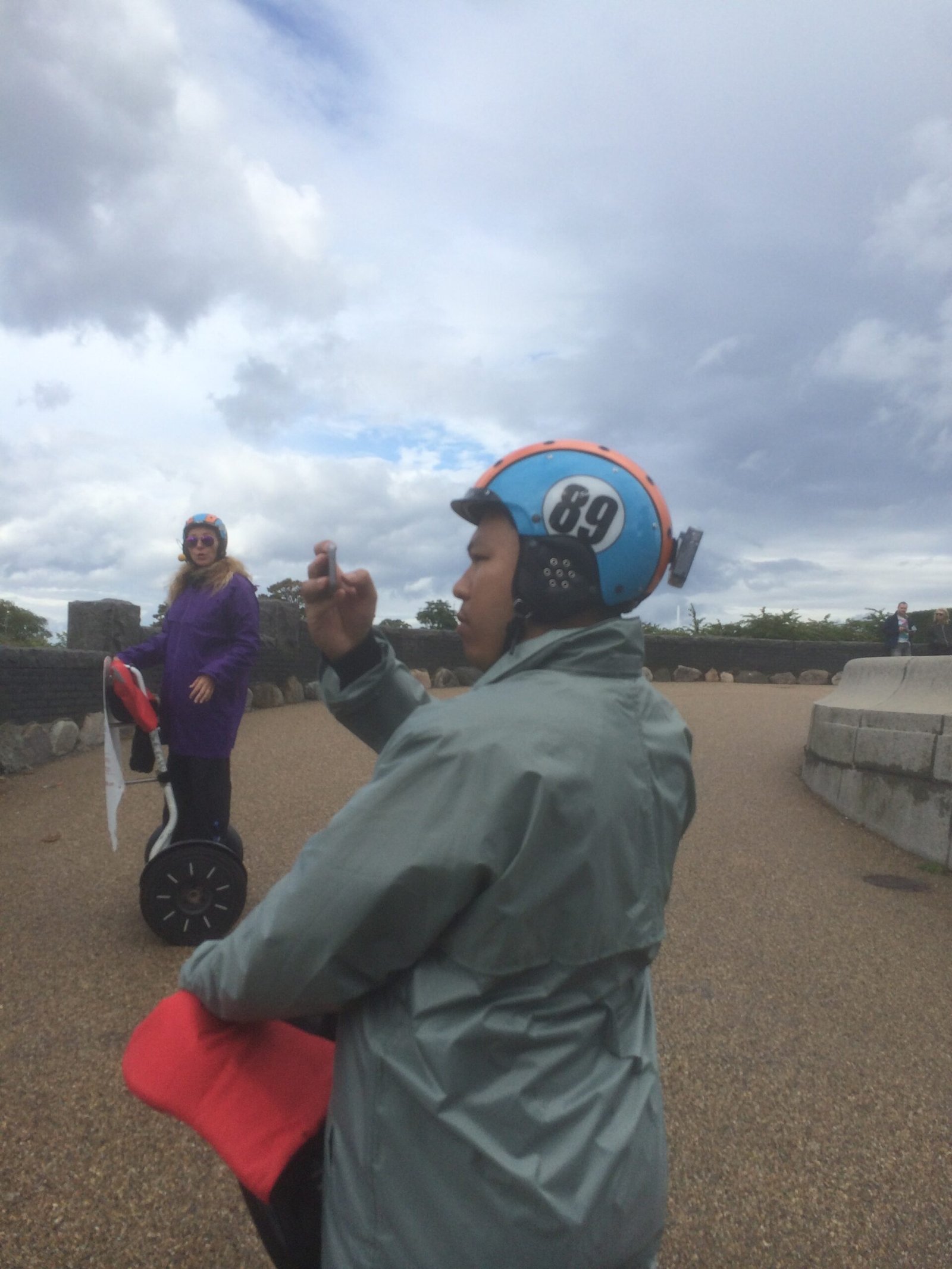
Once moving, however, it was tremendous. Copenhagen slid past at exactly the speed required to see a great deal while retaining almost none of the physical virtue of cycling. We moved through the city and along the water, past buildings I would otherwise have stopped to inspect, wearing helmets and the concentrated expressions of people attempting to make standing still look athletic.
It was a beautifully efficient way to make ourselves look ridiculous in a city renowned for good design.
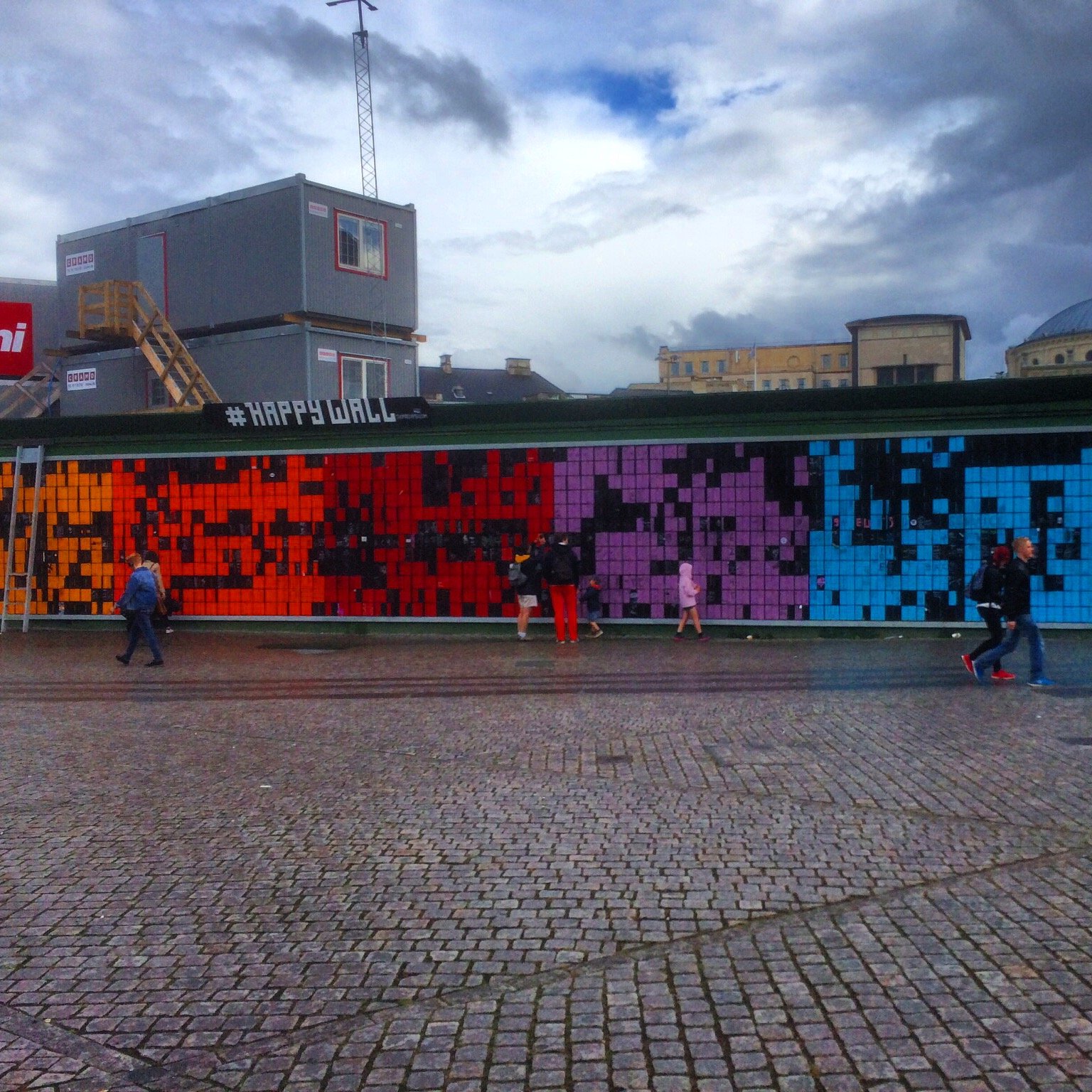
Back beside the harbour, the Happy Wall was being rearranged one bright square at a time. Noma still occupied its handsome warehouse, the towers still leaned into the sky, and the city carried on with the calm certainty that everything had been put exactly where it belonged. We moved through it differently now: still looking up, still stopping for art, but carrying the noise, champagne, and affection of Aabenraa back with us. Copenhagen had not changed during the weekend. The reason for being there had.
Copenhagen was the place I went to see. Aabenraa was why the trip stayed with me.